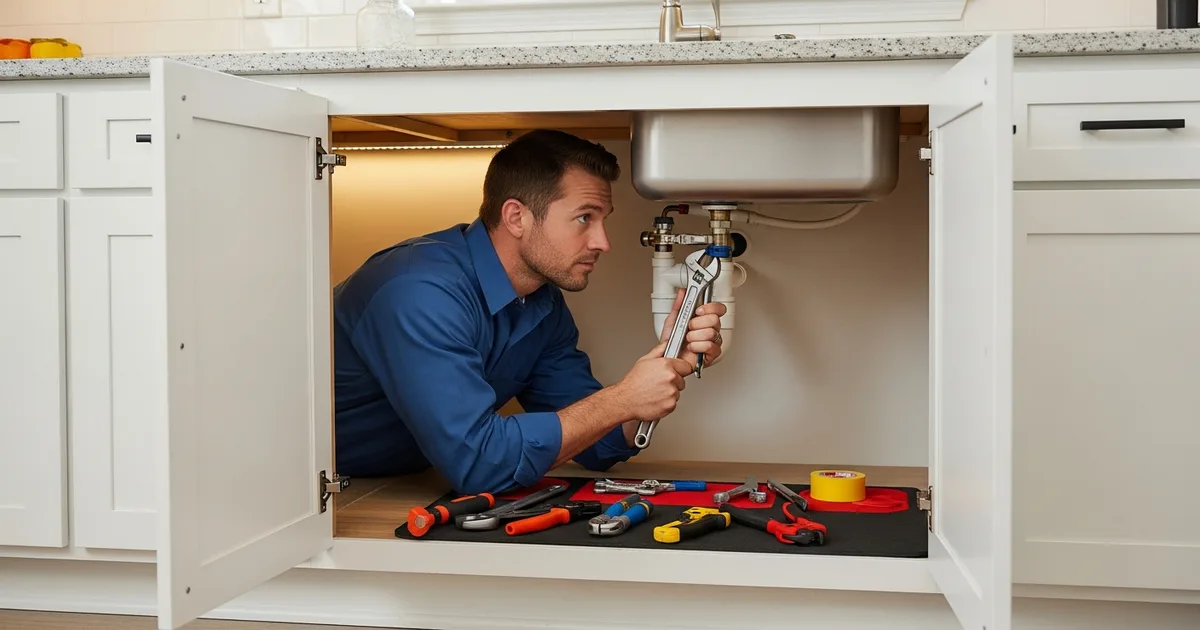
Summer in Denton, TX, brings more than just scorching temperatures and long days by the lake. It also ushers in a unique set of challenges for your home’s plumbing system. From the relentless 100+ degree heat to sudden, intense thunderstorms and our notorious expansive clay soil, your pipes, fixtures, and appliances work harder than ever. Understanding these seasonal stresses can help you prevent costly emergencies and keep your home running smoothly.
This guide will walk you through the most common summer plumbing problems Denton homeowners face. We’ll cover everything from increased water usage to the impact of our local climate and offer practical advice to keep your plumbing in top shape.
Increased Water Usage Stresses Your System
When the Denton sun is blazing, our water usage skyrockets. We’re watering lawns, filling pools, taking more showers, and running dishwashers and washing machines more frequently. This surge in demand puts extra strain on your entire plumbing system, from your water heater to your main sewer line.
Lawn Irrigation and Outdoor Plumbing
Your sprinkler system is probably working overtime to keep your lawn from turning into a crunchy brown carpet. This constant use can expose weaknesses in your irrigation lines, leading to leaks that waste water and can even damage your foundation. Hoses and outdoor faucets, or “hose bibs,” are also used more often, increasing the chance of leaks or burst pipes if they weren’t properly maintained or were damaged during winter.
Pools and Recreational Water Use
Whether you’re topping off a backyard pool, running a splash pad for the kids, or just enjoying more outdoor activities that involve water, your home’s water meter is spinning faster. Pool fill-ups and maintenance can put a significant draw on your water supply, and any leaks in pool plumbing can go unnoticed for a while, leading to surprisingly high water bills.
Indoor Demand Goes Up Too
More people are home during the summer, and the heat often means more showers are taken. Laundry piles up faster from summer adventures, and kitchens see more action with family meals. All this means your drains are handling more wastewater, and your water heater is working harder to provide hot water for showers and dishwashing.
The Impact of Denton’s Extreme Heat
Denton summers are brutal, with temperatures often soaring well above 100 degrees for extended periods. This extreme heat doesn’t just make us uncomfortable; it directly affects your home’s plumbing.
Pipe Expansion and Contraction
Just like any material, your plumbing pipes expand when heated and contract when cooled. While this is a minor issue for pipes buried underground, it can be a significant problem for pipes in your attic, walls, or crawl space, especially those made of PVC. Constant expansion and contraction can weaken joints, connections, and even the pipes themselves over time, leading to leaks. Attics, which can reach temperatures of 140 degrees or more, are particularly vulnerable.
Water Heater Overload
Your water heater works continuously to maintain a set temperature. In the summer, with increased demand for hot water and often warmer incoming water, it might seem like it’s easier on your unit. However, increased usage means more cycles of heating and reheating. Older units or those not properly maintained can struggle, leading to less efficient operation, higher energy bills, or even premature failure.
Slab Leaks and Foundation Movement
This is a big one for Denton homeowners. Our expansive clay soil is notorious for shrinking dramatically during dry, hot periods and swelling when it gets wet. This constant movement can cause your home’s foundation to shift. When the foundation moves, the plumbing lines embedded within or beneath your concrete slab are put under immense stress. Slab leaks are common and can be very destructive, leading to water damage, mold, and further foundation issues.
Got a Summer Plumbing Problem? We Can Help!
Denton Home Services connects you with licensed, insured contractors — free estimates, no trip fees, no pressure.
Find a trusted plumber in Denton →Denton’s Weather Woes: Storms and Their Aftermath
While the heat is a constant challenge, Denton’s summers also bring sudden, violent thunderstorms. These storms, often accompanied by heavy rain and sometimes hail, can wreak havoc on your plumbing.
Heavy Rains and Drainage Issues
Torrential downpours can quickly overwhelm your home’s drainage system. Clogged gutters and downspouts can send water cascading down your home’s foundation, leading to erosion and potential foundation damage. If your yard doesn’t drain well, excess water can pool around your home, increasing the risk of water intrusion into basements or crawl spaces, and putting extra pressure on buried pipes.
Sump Pump Overload
If you have a basement or crawl space with a sump pump, summer storms are its busiest time. A properly functioning sump pump is crucial for preventing flooding. However, if it’s old, clogged, or loses power (a common occurrence during Denton storms, thanks to Oncor outages), it can fail, leading to significant water damage.
Tree Root Intrusion
During prolonged dry spells, tree roots grow aggressively in search of water. Your sewer lines, which often contain residual moisture, become prime targets. Once a root finds a tiny crack or loose joint, it can quickly grow inside the pipe, creating blockages and eventually causing serious damage. Heavy rains then push debris and wastewater against these root masses, leading to backups. This is especially common in older Denton neighborhoods with mature trees.
Common Summer Plumbing Problems and Their Costs
Let’s look at some specific issues you might encounter and what you can expect in terms of repair costs in the Denton area.
Clogged Drains and Sewer Line Backups
Increased usage, coupled with tree root growth and storm debris, means more clogged drains. Kitchen sinks handle more food waste, bathroom drains see more hair and soap scum, and main sewer lines can get overwhelmed.
- Minor drain clog (sink, shower): $100 - $350 for a professional snaking.
- Main sewer line clog/tree roots: $300 - $700 for snaking, $1,500 - $10,000+ for hydro-jetting or line repair/replacement, often after a camera inspection (which costs $200 - $500).
Leaky Faucets, Toilets, and Outdoor Hose Bibs
Minor leaks become more noticeable and problematic with increased water usage. A dripping faucet or a constantly running toilet can waste hundreds of gallons of water per month, leading to higher Denton water bills. Outdoor hose bibs, especially those exposed to winter freezes and summer heat, can also develop leaks.
- Faucet/toilet repair: $150 - $400, depending on the fixture and parts needed.
- Hose bib replacement: $200 - $500, depending on accessibility and type.
Water Heater Issues
An overworked water heater can show signs of strain. You might experience inconsistent hot water, strange noises, or even a complete breakdown. Sediment buildup, common in older units, reduces efficiency and can lead to problems.
- Water heater repair (e.g., element, thermostat): $200 - $600.
- Water heater replacement: $1,000 - $2,500+ for a standard tank unit, more for tankless or larger models, including installation.
Slab Leaks
These are insidious and can be costly. Signs include warm spots on the floor, unexplained wet spots, the sound of running water when no fixtures are on, and a sudden spike in your water bill. Denton’s clay soil makes these more prevalent.
- Slab leak detection: $300 - $700.
- Slab leak repair: $1,000 - $5,000+, depending on the location, access method (tunneling, jackhammering through the slab), and extent of the damage. This can sometimes involve calling in a foundation repair specialist as well.
Sump Pump Failure
If your sump pump isn’t working during a heavy rain, you could be looking at significant water damage.
- Sump pump replacement: $400 - $800, including the unit and installation. More for battery backup systems.
Here’s a quick overview of common summer plumbing issues and their estimated costs in Denton:
| Problem Type | Common Causes in Denton Summer | Estimated Denton Repair Cost Range |
|---|---|---|
| Clogged Drain (minor) | Increased usage, grease, hair | $100 - $350 |
| Main Sewer Line Clog | Tree roots, storm debris, increased usage | $300 - $700 (snaking) |
| Slab Leak | Clay soil shifts, pipe expansion/contraction | $1,000 - $5,000+ |
| Leaky Faucet/Toilet | Wear and tear, increased usage | $150 - $400 |
| Water Heater Repair | Overwork, sediment buildup | $200 - $600 |
| Water Heater Replacement | Age, complete failure | $1,000 - $2,500+ |
| Sump Pump Replacement | Electrical failure, motor burnout, age | $400 - $800 |
| Outdoor Hose Bib Leak | Freeze damage from winter, summer heat stress | $200 - $500 |
| Tree Root Intrusion | Roots seeking water in dry periods | $1,500 - $10,000+ (major repair) |
Preventative Measures for a Worry-Free Summer
Taking a few proactive steps can save you a lot of headaches and money this summer.
- Inspect Outdoor Plumbing: Before summer hits, check all outdoor faucets, sprinkler heads, and hoses for leaks or damage. Replace worn-out hoses and washers.
- Mind Your Drains: Be mindful of what goes down your drains. Use drain screens to catch hair and food particles. Avoid pouring grease down kitchen sinks. Consider a routine drain cleaning, especially for older homes or those with large trees.
- Water Heater Maintenance: Flush your water heater annually to remove sediment buildup. This improves efficiency and extends its lifespan. If your unit is older than 10-12 years, consider having a plumber inspect it.
- Foundation Watering: This is crucial in Denton! During dry periods, properly water the perimeter of your foundation to help stabilize the clay soil. This can significantly reduce foundation movement and the risk of slab leaks. Consult a foundation specialist for specific recommendations, but generally, a soaker hose around the perimeter for a few hours a week is a good start. Learn more about foundation care on our related pages.
- Check Sump Pump: If you have a sump pump, test it before storm season. Pour a bucket of water into the pit to ensure it activates and drains properly. Make sure the discharge pipe is clear and directed away from your foundation.
- Monitor Water Bills: Keep an eye on your water bill. A sudden, unexplained spike is often the first sign of a hidden leak, like a running toilet or a slab leak.
- Tree Root Management: If you have large trees near your sewer line, consider having a plumber perform a camera inspection every few years to check for root intrusion. Sometimes, professional root treatment or even strategic tree removal is necessary.
When to Call a Professional Plumber
While some minor issues can be DIY projects, many summer plumbing problems require the expertise of a licensed professional.
- Persistent Clogs: If your plunger or DIY drain cleaner isn’t doing the trick, or if multiple drains are slow, you likely have a deeper issue.
- Any Sign of a Slab Leak: These are complex and require specialized detection equipment and repair techniques. Don’t delay if you suspect one.
- Water Heater Malfunctions: Dealing with gas lines, electrical components